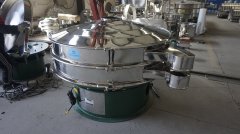
Vibrating screening machine for crushed stone is used to distinguish and separate the particle sizes of various bulk materials to meet the specific requirements of different production processes for material specifications. According to different material characteristics and use environments, Vibrating screening machine for crushed stone can be made of three types of materials: stainless steel, carbon steel, and plastic. For example, a carbon steel vibrating screen suitable for general sand and gravel materials may be made of stainless steel for materials with specific corrosive or cleanliness requirements, and plastic materials may also be used for some special lightweight or metal-sensitive materials. The selection of these different materials is intended to match the physical and chemical properties of the material itself and ensure the stability and applicability of the screening process.
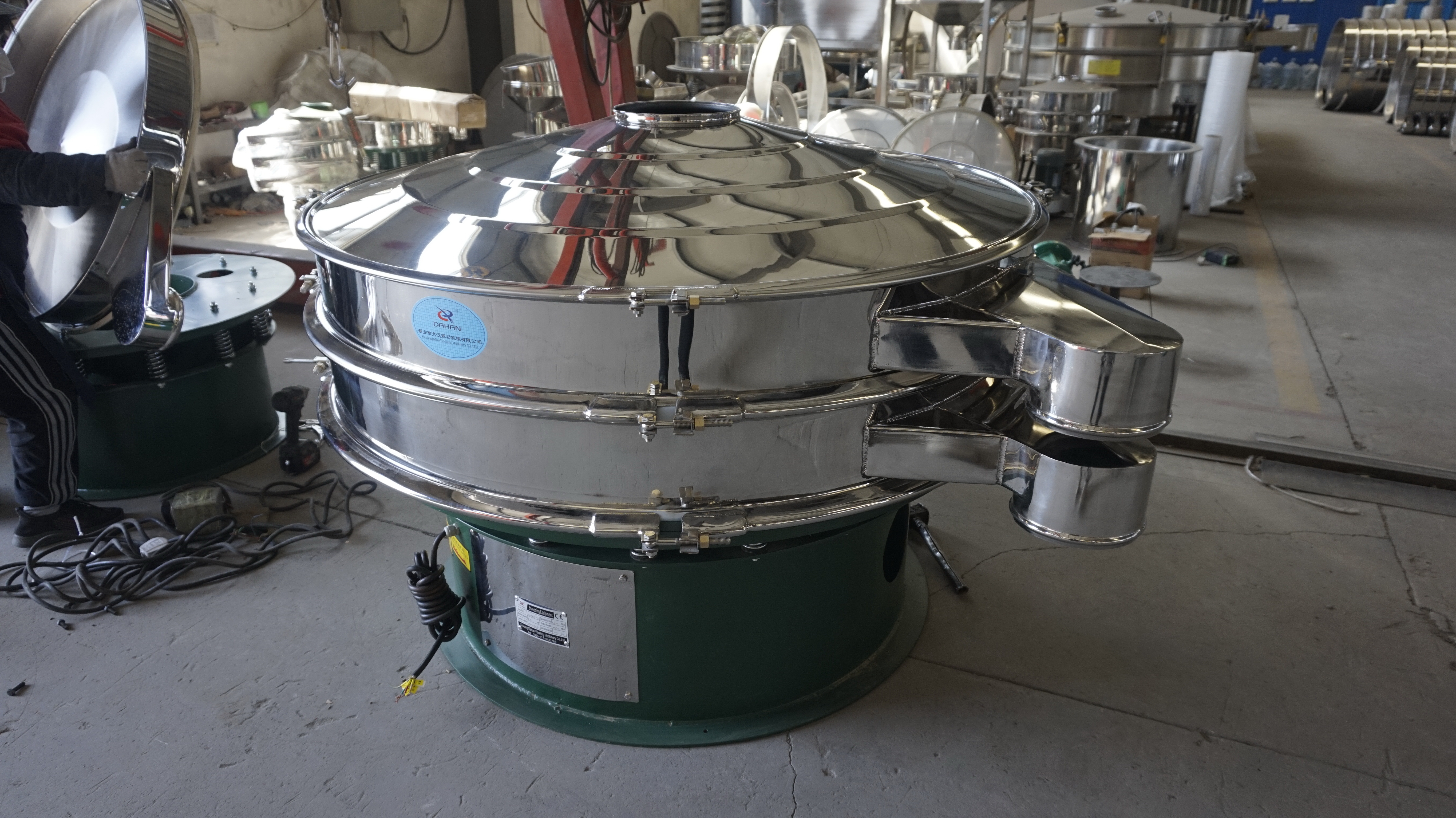
Vibrating screening machine for crushed stone generates circular trajectory vibrations through the exciter, so that the material on the screen surface is thrown up and moves forward under the action of vibration force. When the material jumps on the screen surface, particles with a particle size smaller than the screen hole will pass through the screen hole and fall to the lower layer, while materials with a particle size larger than the screen hole will continue to move forward and eventually be discharged from the discharge port. Specifically, the vibrator is usually composed of an eccentric block or a counterweight, which rotates at high speed under the drive of the motor to generate centrifugal force. This centrifugal force is transmitted to the screen box through bearings and springs, causing the entire screen box to move in a circular motion. The material on the screen surface is subjected to the combined action of the ejection force perpendicular to the screen surface and the tangential sliding force, making the material layer loose, permeable to the screen, and high in grading efficiency. At the same time, the inclination angle and amplitude of the circular vibrating screen can also be adjusted according to different material properties and screening requirements to achieve the best screening effect.
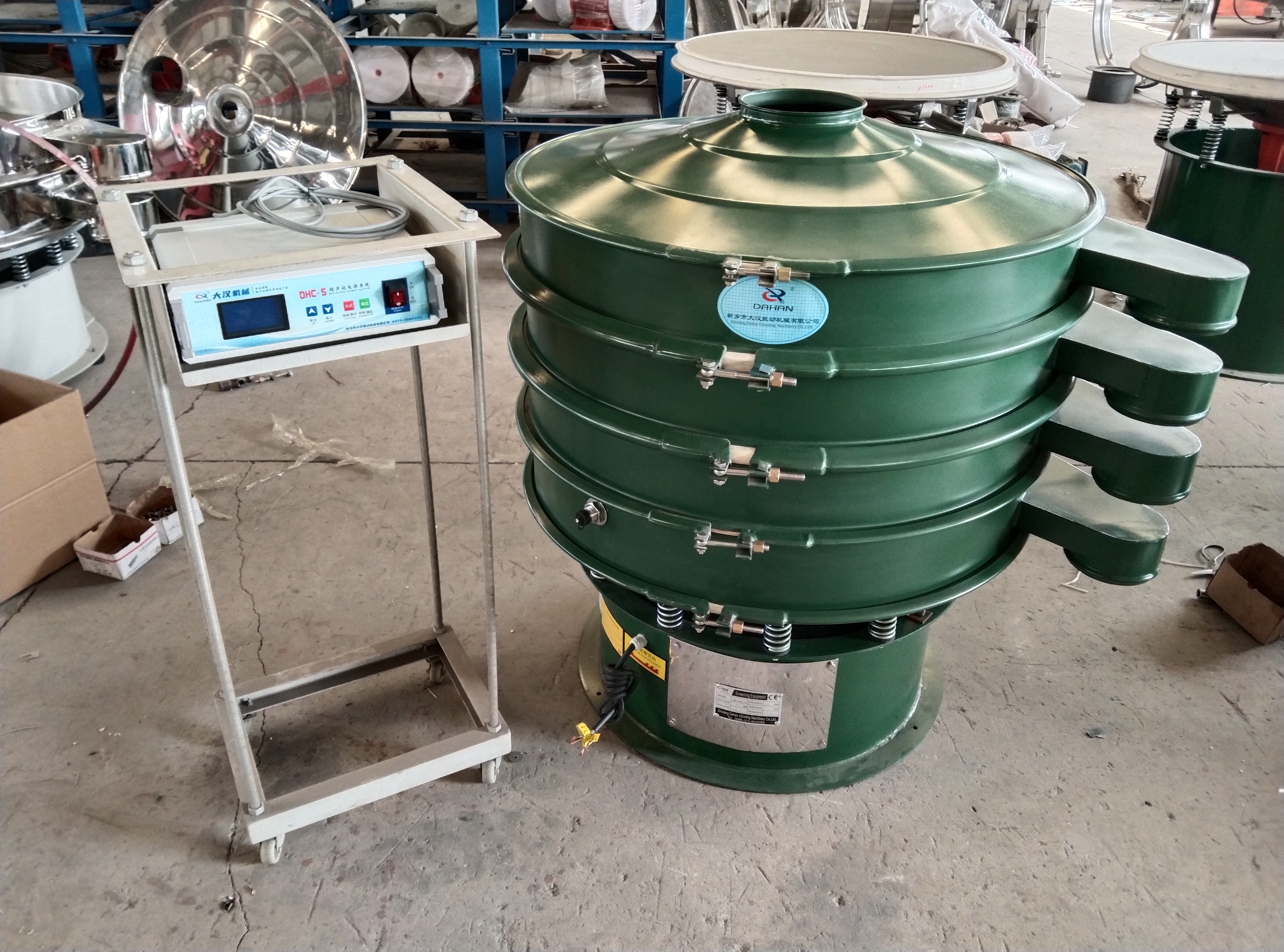
The common screening equipment of Vibrating screening machine for crushed stone is the circular vibrating screen. According to the different manufacturing materials, the common circular vibrating screens are mainly stainless steel, carbon steel and plastic. Vibrating screens of different materials are different in terms of processing capacity, technical parameters, etc.
When the stainless steel circular vibrating screen processes crushed stone, its processing capacity is affected by many factors such as material characteristics, screen model and vibration parameters. For common mining crushed stone screening, a stainless steel circular vibrating screen with a diameter of about 1200 mm (mm) can process 5-10 tons per hour if a screen with a mesh size of 20 mm (mm) is selected.
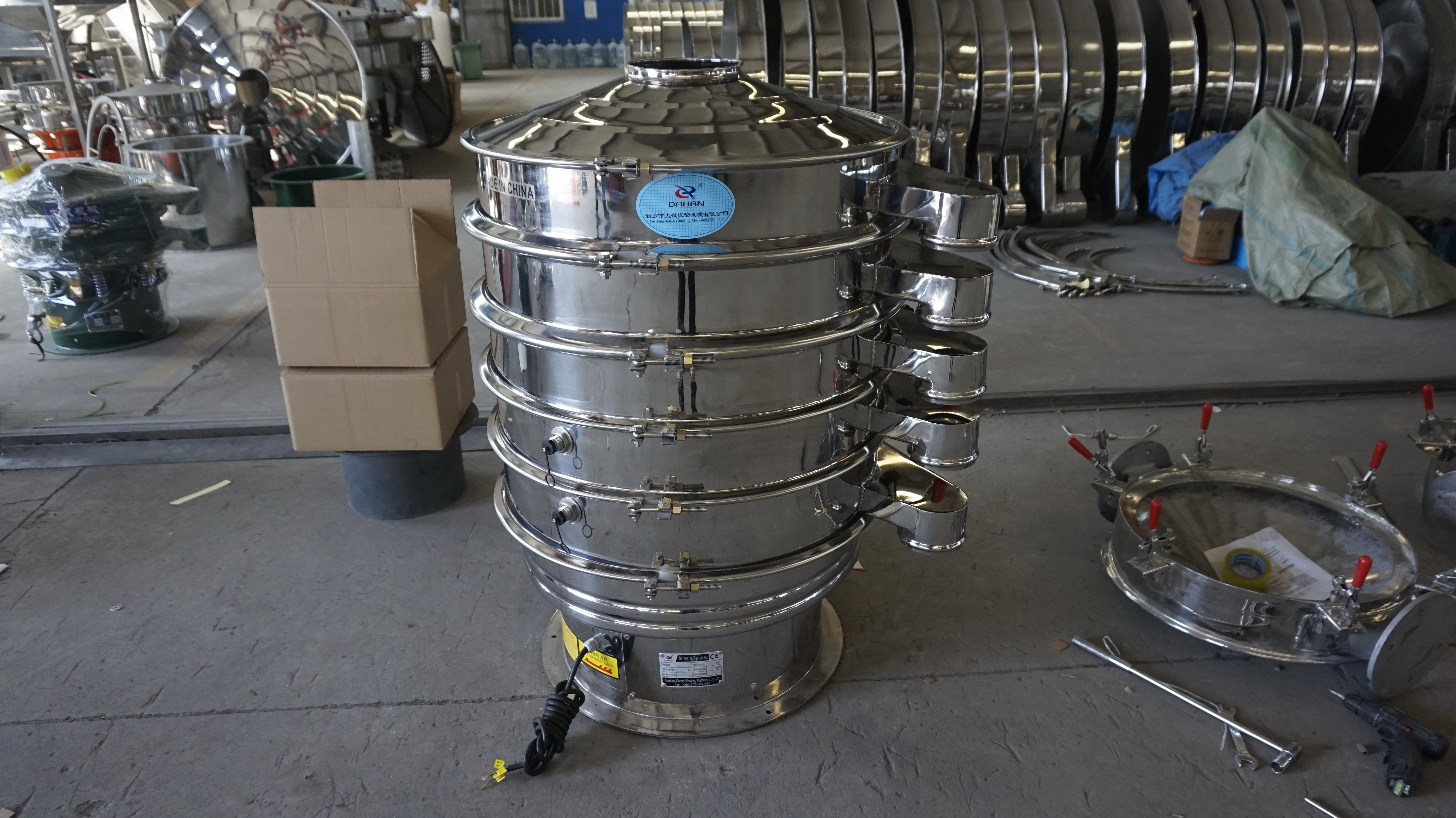
The annual processing capacity of large carbon steel circular vibrating screens can reach 230,000 tons to 1.64 million tons/year. Specifically, in terms of hourly processing capacity, small and medium-sized circular vibrating screens may be 50-300 tons/hour, while large models can reach 500-1000 tons/hour or even higher. The processing capacity will increase with the increase of the mesh aperture. Common crushed stone screening mesh apertures range from a few millimeters for fine aggregates (such as 5 mm, 10 mm) to tens of millimeters for coarse aggregates (such as 20 mm, 31.5 mm, 40 mm, 60 mm or even larger).
Plastic circular vibrating screen plays an important role in crushed stone processing. The processing capacity of the vibrating screen used in small laboratories or construction sites may range from a few tons to tens of tons per hour. The circular vibrating screen of a large crushed stone production line can reach hundreds of tons or even thousands of tons per hour. For example, some circular vibrating screens used for sand making may have a processing capacity of about 100-300 tons per hour.
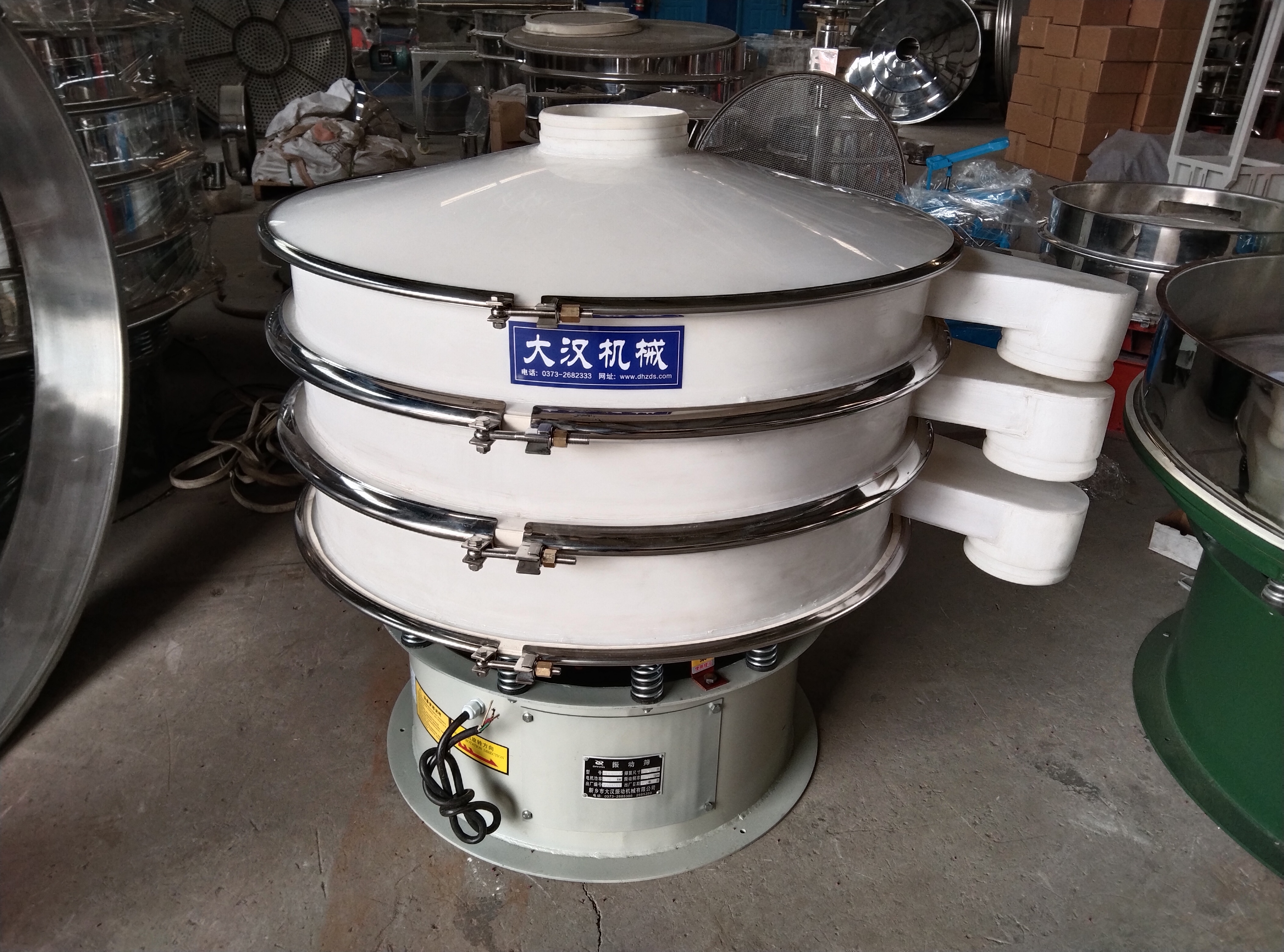
Vibrating screening machine for crushed stone is a key equipment for aggregate grading. Its core function is to effectively separate crushed stone, sand and gravel of different particle sizes through the principle of vibration. The machine is equipped with multiple layers of screens, which generate high-frequency vibrations under the action of the vibrator, causing the material to jump and loosen on the screen surface, so that it can pass through the screen holes of different apertures according to the particle size to achieve accurate grading. This can not only improve the purity and utilization rate of the material, but also meet the strict requirements of the project for the aggregate particle size ratio. For example, in the sand and gravel production line, it is used to classify the mined stone into different specifications of construction sand and gravel; in the process of mine dressing, it can pre-screen the ore, remove coarse waste or classify useful minerals; in highway construction, it is used to prepare aggregates that meet the requirements of road paving; in garbage disposal, it can even be used to screen and separate solid waste of different sizes.
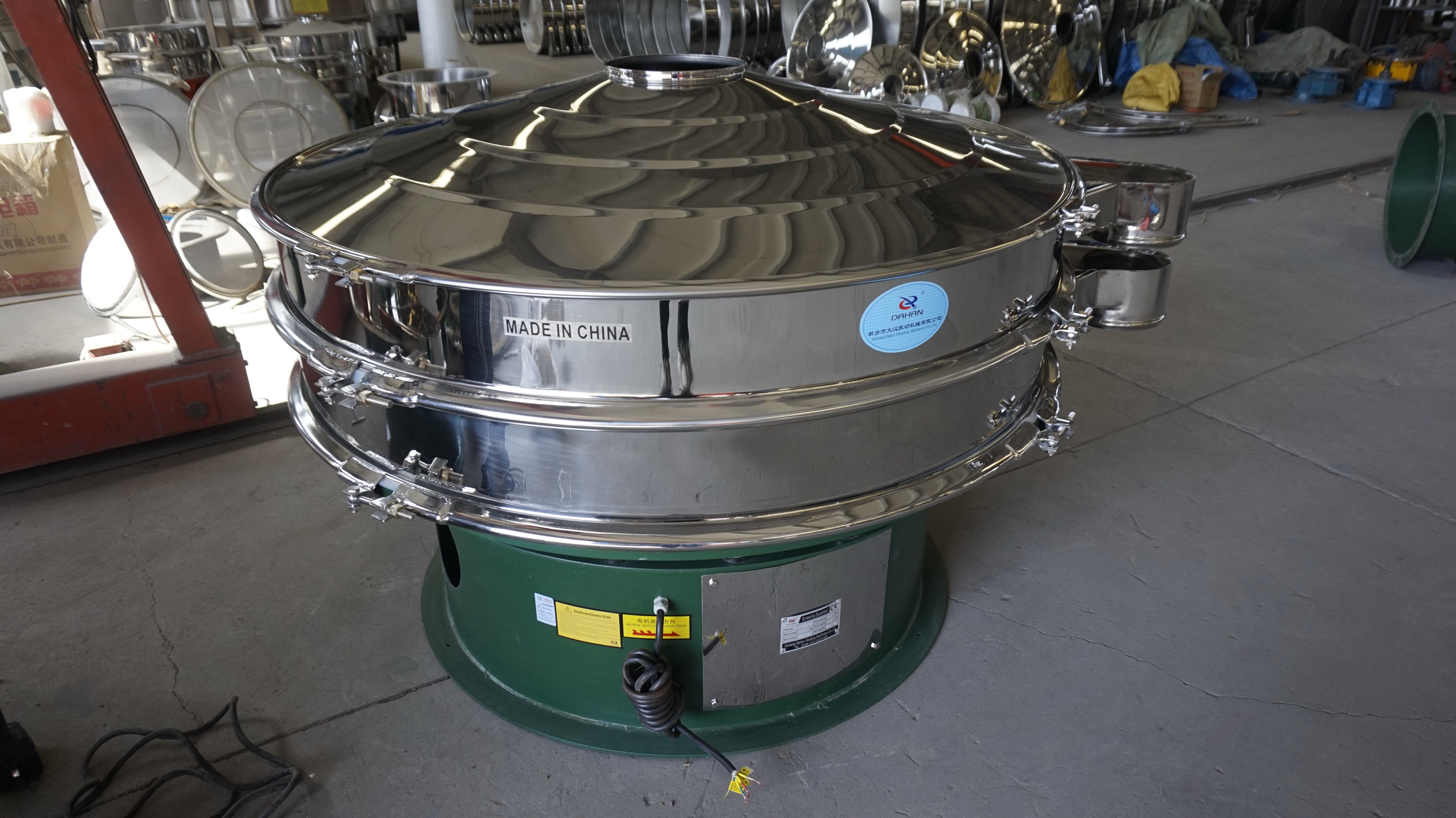
Vibrating screening machine for crushed stone is a basic material classification machine. Its main function is to achieve particle size separation of various types of aggregates, ores, sand and gravel and other bulk materials. The design and operation of the equipment are based on the physical properties of the material and the actual needs of industrial production to ensure the orderly progress of the classification process. Whether it is conventional stone classification or material processing in a specific production environment, the vibrating screening machine provides a feasible solution to meet the industrial requirements of separating materials of different particle sizes. Its application in the production line is to achieve effective material differentiation and processing, thereby supporting subsequent production and processing links.

Add:China, Henan Province, Xinxiang City.Yanjin county forest park gate to the west 1000 meters north road